Daily Summaries
Read the day-by-day stories: where Steve drove, the stops along the way, the weather, and the moments the Road Crew shared.
Browse the Daily Summary archive →
The trucks, the cameras, the stories—and the Road Crew who came along. Explore the years that helped turn a windshield view into a worldwide community.
When I started commercial driving in late 2006, the job was to move freight. Over the next 20 years and 2 million miles, it also became a way to share America: its highways and back roads, small towns and big cities, changing seasons, and the everyday places you might otherwise pass by.
Trucking meant early starts, long days, loading docks, weather, traffic, and finding a place to park at the end of a run. Between the deliveries were the views and moments that made the miles memorable. From the Bronx Run to the Washington Apple Trip, every journey offered another piece of the country to discover.
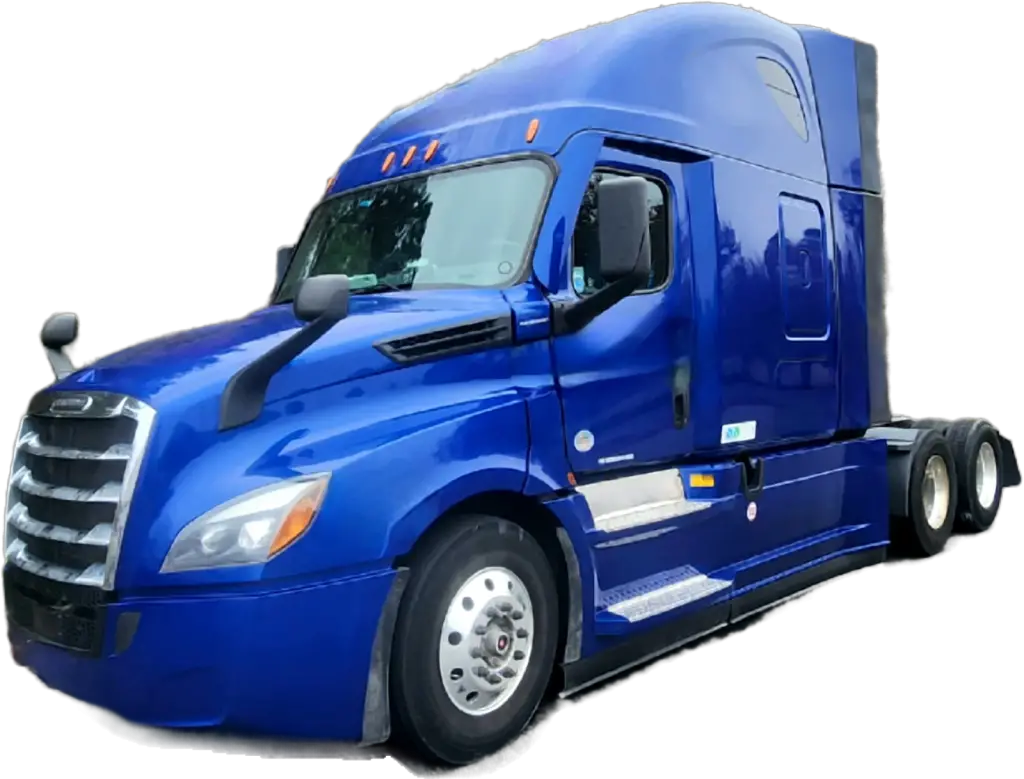
In February 2008, BigRigTravels opened that windshield view to everyone. A small camera and a simple website grew into live broadcasts, shared stories, and a Road Crew joining us from around the world. You rode along through the ordinary workdays and the unforgettable scenery. You even helped choose the Viper Blue color of The Blue Comet. What began as my trucking journey became something we experienced together.
Today, that love of the road continues through RV travel, broadcasts, and time to explore the places along the way. The focus has shifted from the next delivery to the next discovery: towns, parks, scenic drives, campgrounds, attractions, and hidden gems worth stopping for.
The trucking years gave us the miles, the memories, and this community. Now we get to carry that spirit forward, with more opportunities to stop, look around, and share what we find. Whether you’ve been here since the Snowman Camera or are joining us for the first time, there’s a place for you in the Road Crew.
Thanks for traveling with us. Let’s see where the next road leads.
BigRigSteve started commercial driving in late 2006, bringing a lifelong love of the highway to a new adventure. Before trucking, he served in the Air Force in Minot, North Dakota, worked on avionics for private and corporate jets, spent time in television studios, and pursued photography.
Those experiences came together in BigRigTravels: a family-friendly, kid-safe window onto America’s geography, history, small towns and big cities.

The first website refreshed a still image every five minutes and included a simple map. Steve would pull over about once an hour to update it manually. Early live video followed in the same little window—with room for just ten viewers at a time.
The original About page described BigRigTravels as a family-friendly, kid-safe teaching resource for public classrooms, with a mention in Smithsonian Magazine. It called the channel and website the only trucking resource with that combination of recognition. This introduction is preserved here as part of the site’s history.
Read the original About page →The 2022 Freightliner Cascadia was Steve’s Million Mile truck, given to him by his company. The Road Crew helped choose the color: an open poll narrowed the choices to three, and Viper Blue won.
It entered service on February 8, 2022—the BigRigTravels anniversary—with only 81 miles on the odometer.
The automated manual transmission offered automatic operation and manual gear selection. Steve could select gears on the steering-column control, alongside the Jake Brake controls.
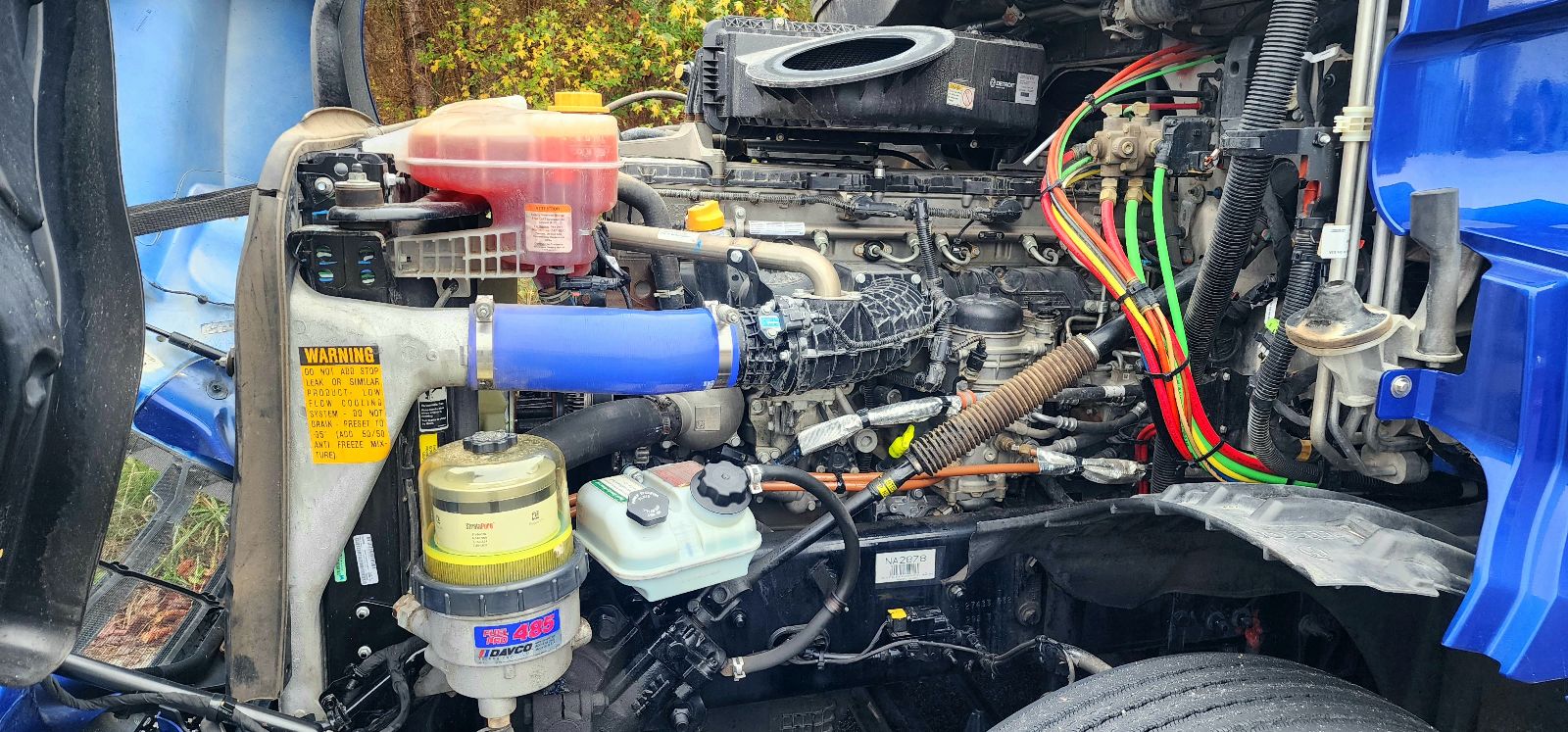
The original truck page featured the DD15 engine and its manufacturer-described fuel-efficiency improvements of up to 3% for that generation.
| Configuration | Inline 6 cylinder |
|---|---|
| Displacement | 14.8 L |
| Compression ratio | 21:1 |
| Horsepower | 400–505 |
| Torque range, as originally listed | 1150–1850 |
| Service fill • oil & filter | 45.7 L |
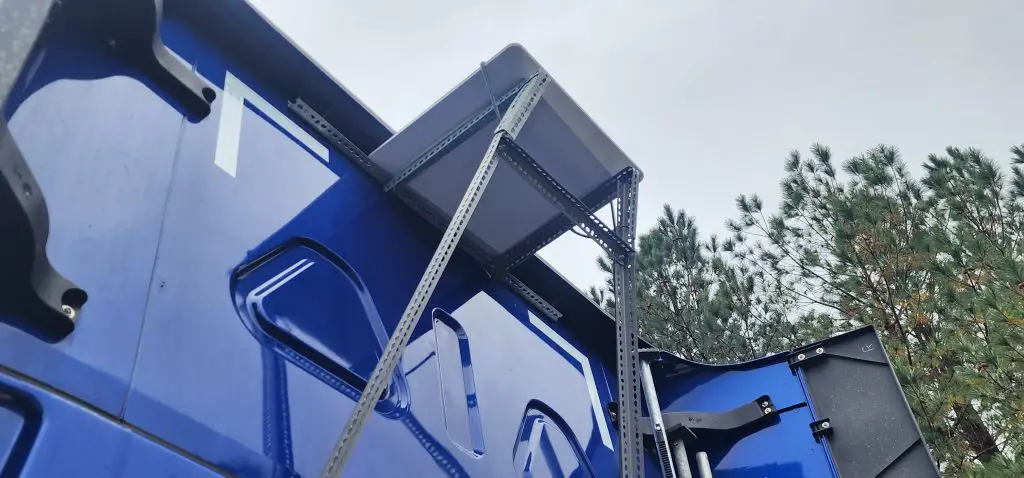
During the trucking years, Starlink supplemented the amplified cellular connection. Bonding the two connections helped the broadcasts stay connected across more of the country as Steve traveled.
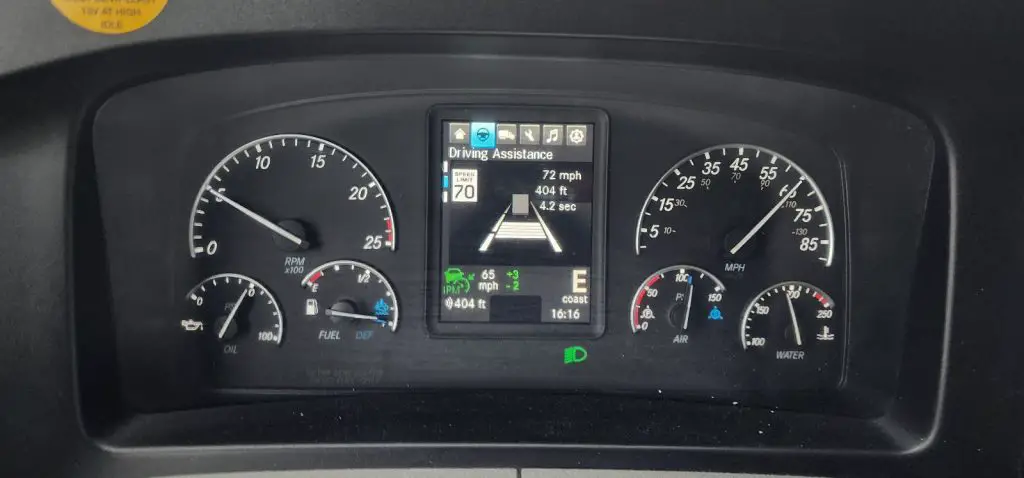
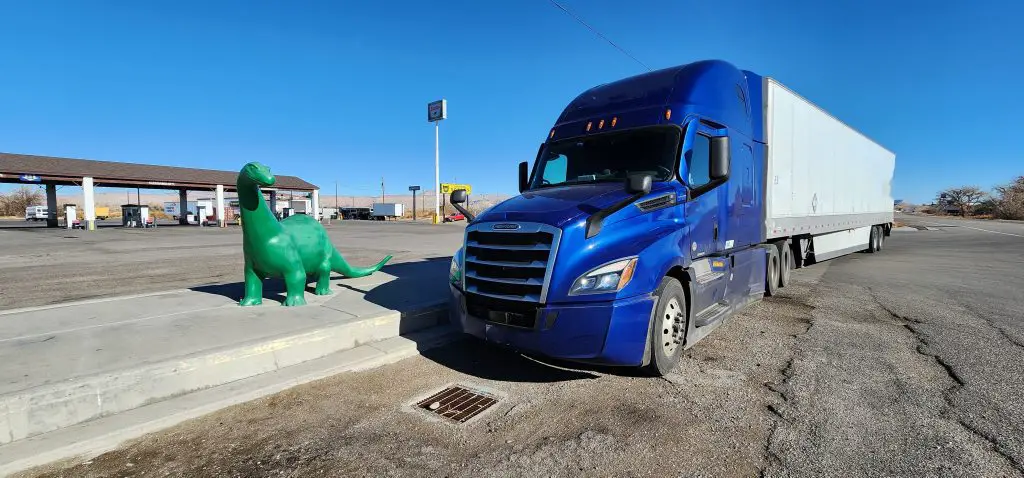
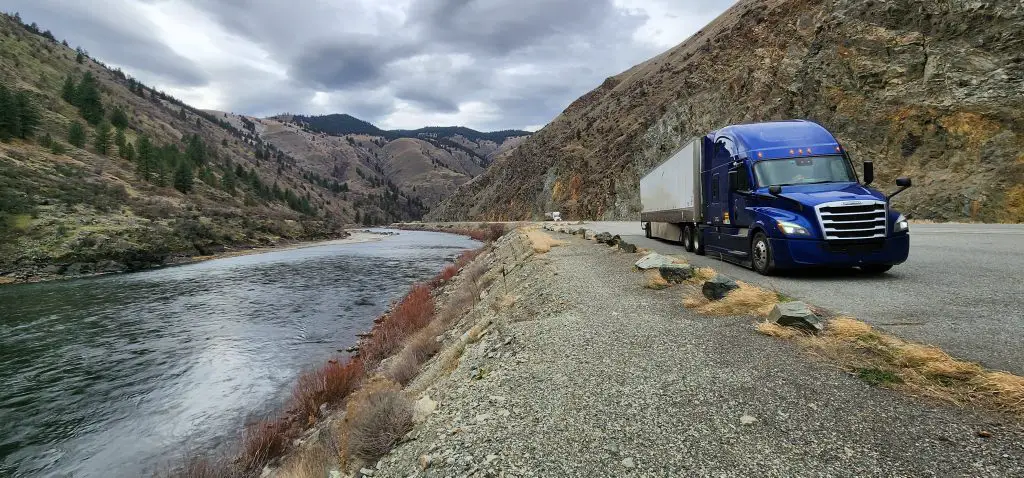
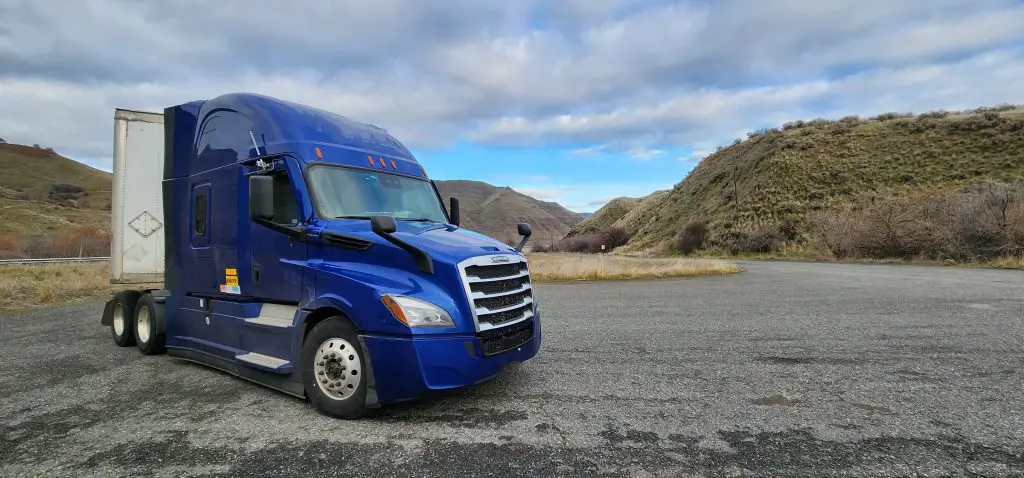
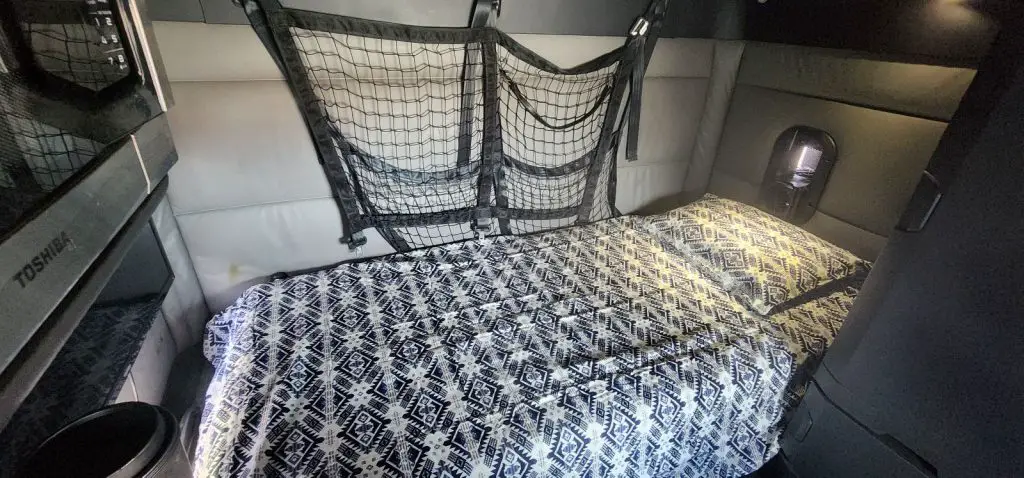
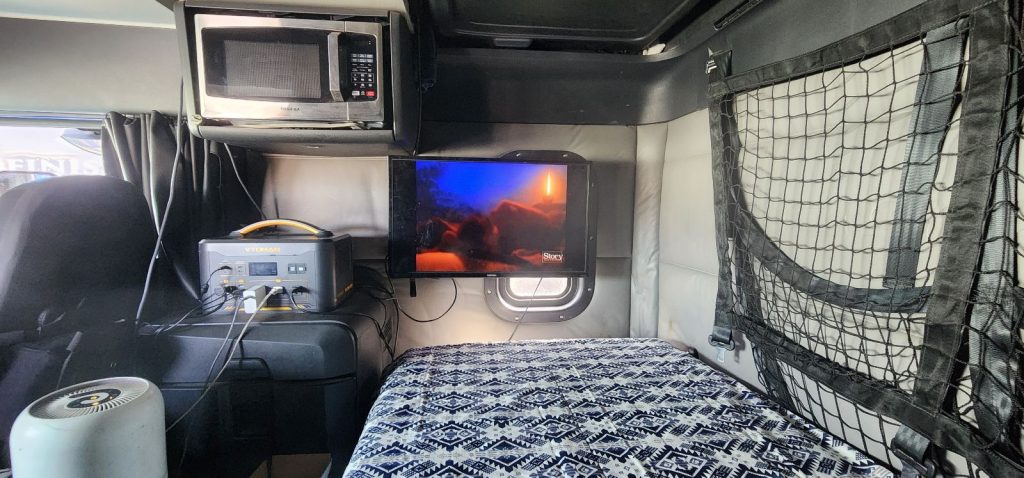
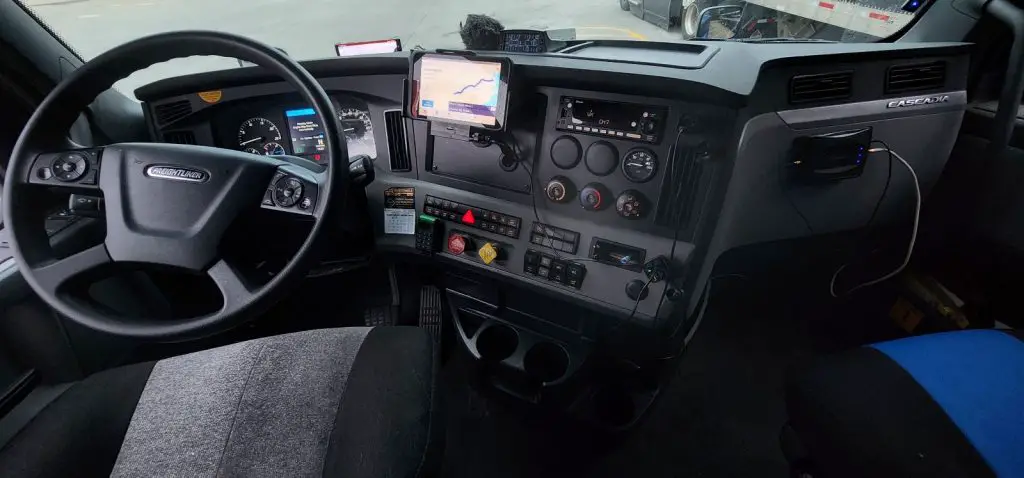
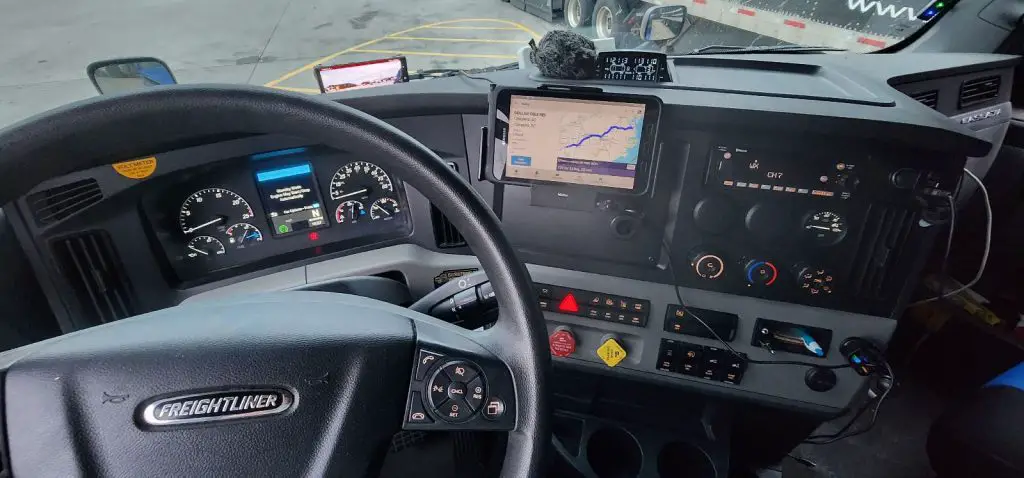
Select a photograph to open the larger original.
Before the big live broadcasts, a little camera gave the Road Crew a windshield view. During the trucking years, the Snowman Camera uploaded a still image roughly every 15 seconds—even when a live broadcast wasn’t running.
Viewers could follow the road and check conditions for a commute or a longer trip. This chapter remembers that camera and the early journeys it captured.
Explore 10,000 original Snowman images ↗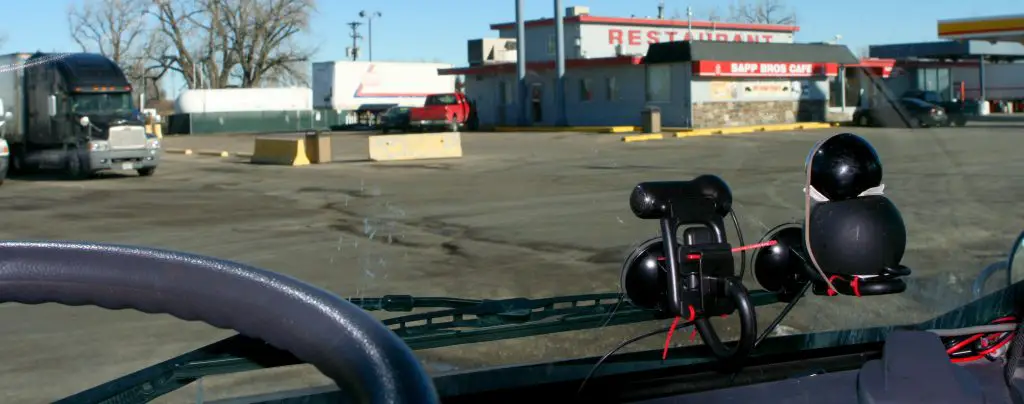
The early two-camera setup in the Volvo.
A Road Crew member brought early Snowman images from 2010 together into these two journeys: The Bronx Run and the Washington Apple Trip. Familiar roads, lasting memories.

The first website camera was a Logitech Orbit AF. Its shape looked like a snowman, so the nickname stuck. It supplied the first still images and earliest videos.
The same smartphone broadcasting app handled the live stream and the automatic still-image uploads, so both views displayed the same dynamic information.
In the Volvo, the early system used two cameras. A rubber band helped keep the Snowman camera head from bouncing out of its base on rough roads.
During the trucking years, the camera and stream could be off on private customer property, during time off, or while the truck was in the shop. The original camera page is retained as part of the archive.
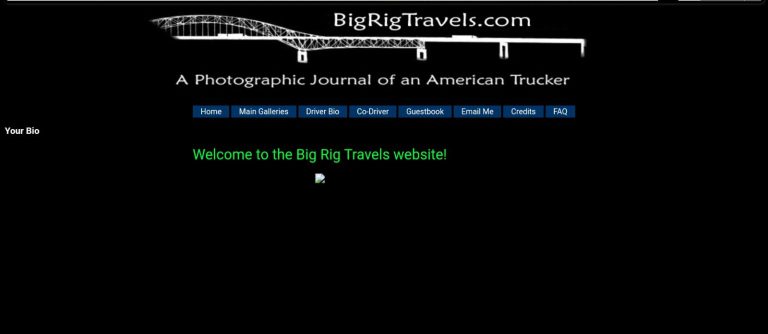
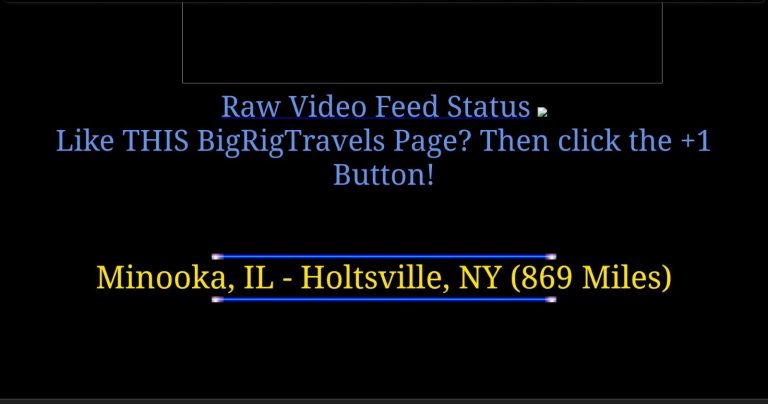
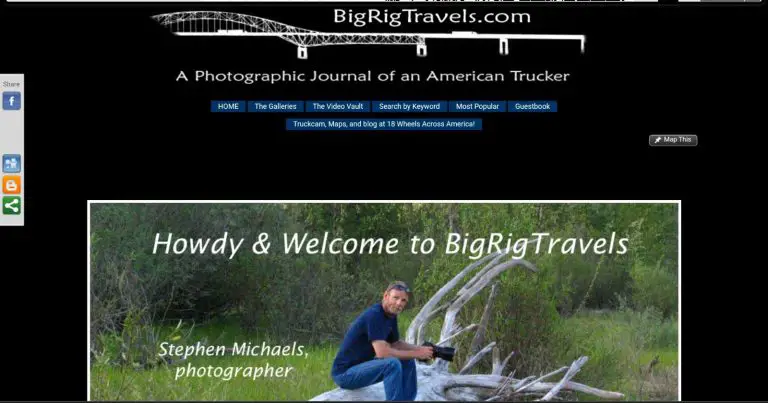
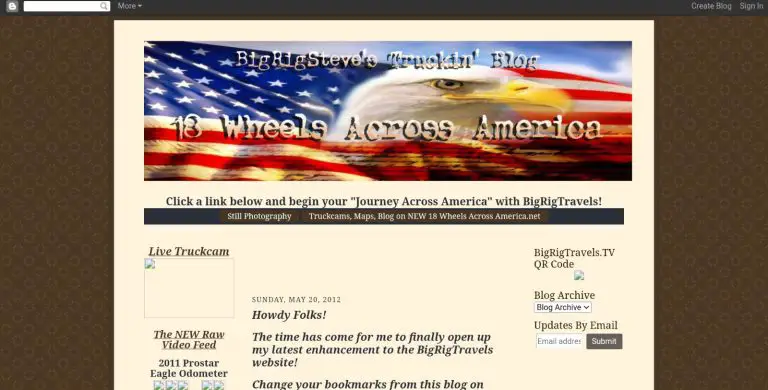
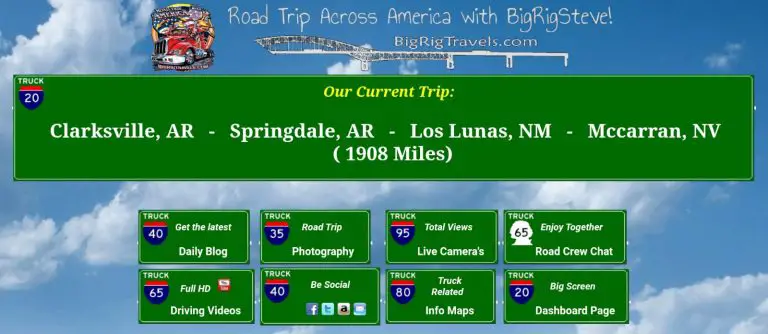
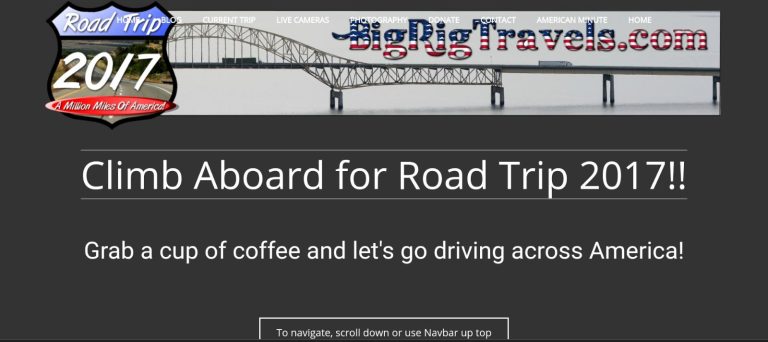
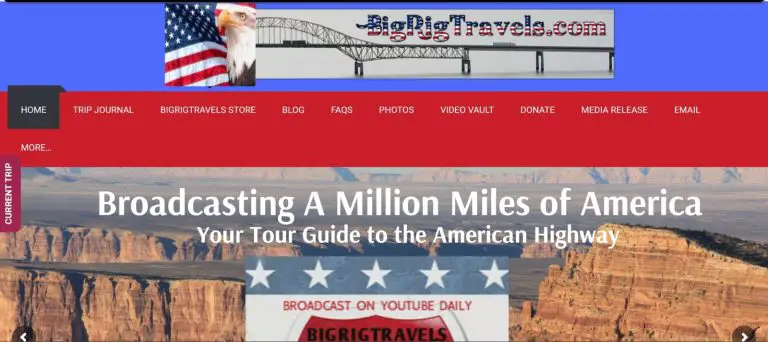
Original 24/7 View page →From that first small image window to the “2 Million Mile website” rebuild, BigRigTravels kept evolving. These website snapshots were collected from the Internet Archive’s Wayback Machine.
Scroll sideways to travel from 2008 to 2023. Select a snapshot to see it larger.

Todd Dills marked the tenth anniversary with this 2018 podcast conversation.
Open the original audio recording →Listen to BigRigSteve’s 19th-year podcast interview with Road Dog Radio on SiriusXM Satellite Radio, broadcast live on July 28, 2024.
Listen to the original interview on YouTube →“18 Wheels Across America” was the name of the blog section. At one point the site also had a photography section with more than 500 interactive panoramas. These banners and graphics are a look back at those earlier designs.










Bobtail? Gators? A bear in the air? Here are the 21 terms and expressions from the original glossary. Try guessing each meaning, then select the term to reveal the answer.
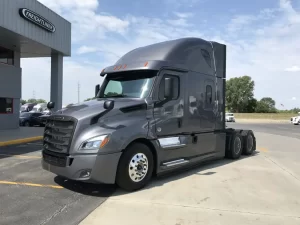
The power unit only of a tractor trailer.
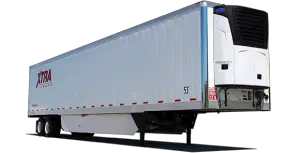
It is short for refrigerated trailer, or it could refer to the actual temperature unit on the front of the trailer.
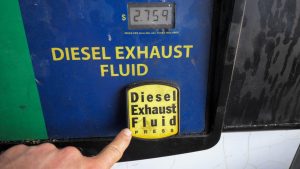
Diesel exhaust fluid DEF, also referred to as AdBlue, is a crucial substance utilized to minimize the volume of harmful air pollutants released into the atmosphere by diesel engines. This resourceful liquid is specifically designed to reduce the level of toxic nitrogen oxide (NOx) emissions by converting it into harmless nitrogen gas and water vapor.
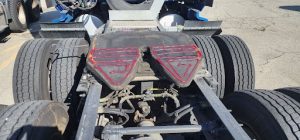
The fifth-wheel coupling provides the link between a semi-trailer and the towing tractor unit. The coupling consists of a kingpin a two or three inch vertical steel pin protruding from the bottom of the front of the semi-trailer, and a horseshoe-shaped coupling device called a fifth wheel on the rear of the towing vehicle. As the connected truck turns, the downward-facing surface of the semi-trailer (with the kingpin at the center) rotates against the upward-facing surface of the fifth wheel, which does not rotate. To reduce friction, grease is applied to the surface of the fifth wheel.
Historical glossary note: If you operate your truck with a GVW rating of 10,000 lbs. or more in California you need your truck inspected every 90 days. This is what typically is referred to as a BIT inspection or 90 day inspection
A deadhead truck has a trailer attached but carries no freight. Deadheading means driving a cargo carrying truck (semi-truck) pulling an empty trailer. Deadheading often happens when a trucker returns or backhauls the empty cargo container to the point of origin.
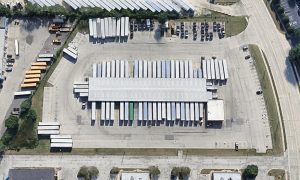
Trucking terminals actually have two meanings. One, is where company trucks all park, get service, drop or pick up trailers, get maintenance done, etc. At some locations they have regional planning or office personnel. Another meaning is a big building and yard that has freight dock doors on all sides and trucks back in loaded or empty trailers and freight is dispersed among other trailers as needed to go in different directions or locations.
A bill of lading is a contract issued by a transport company to a shipper that spells out the quantity, type, and destination of the goods being shipped. It serves as a receipt of the shipment and can help prevent the theft of goods being transported.
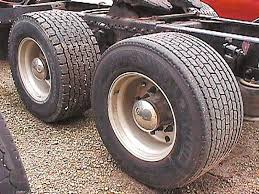
Technically, super singles are single tires that offer the capacity to replace the capacity of a dually set. Most commonly the term refers to wide-base tires (their proper name) used to replace dual-wheels on semi-trucks and trailers. This approach turns 18-wheelers into 10-wheelers. You used to see these tires a lot, but now not so much. I think they actually failed more than the regular single tires.
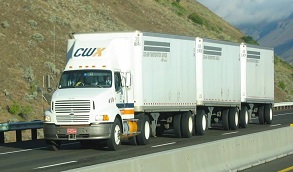
A truck pulling double or triple trailers.
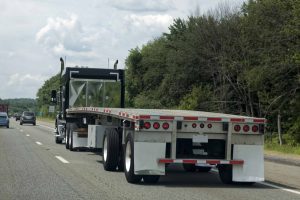
An open trailer used for carrying construction materials and equipment and other objects of unusual size and shape.
Department of Transportation (DOT) weigh stations are essentially checkpoints to ensure there are no overweight vehicles (specifically commercial trucks) on the road. They also ensure that companies in the trucking industry comply with state and federal laws.
That's what we call an ambulance in route
State trooper/State Police Officer
weigh station/inspection point that trucks must go in if not given a bypass
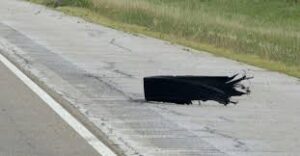
Tire tread that has come off a truck and is laying in the road.
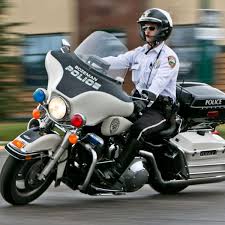
Motorcycle Cop
Sheriff Deputy
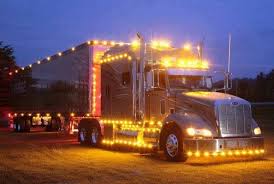
Semi truck with many lights on the tractor and trailer
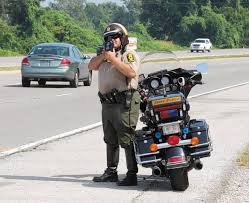
Motorcycle Cop pointing his radar at traffic
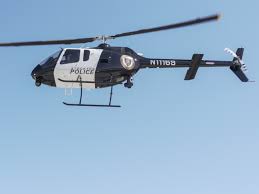
law enforcement watching traffic from a helicopter
Remember another expression Steve used? Email BigRigSteve.
Return to a favorite stretch of highway, visit your home state, or discover a road you haven’t traveled yet. Our YouTube state playlists keep the journeys within reach.
Ride along from Danville, Illinois, to Gary, Indiana, as a chapter of the BigRigTravels story comes to a close. After 20 years of professional trucking and more than 2 million miles, the road ahead leads to new adventures—with the same Road Crew.
Watch the full final ride on YouTube ↗This 3-minute farewell looks back as The Blue Comet is turned in and a new journey begins.
Watch Blue Comet’s Final Ride on YouTube ↗Alphabetical links to our trucking journeys by state on the BigRigTravels channel. Playlists open on YouTube.
The broadcasts showed the road. Our blogs recorded the journeys and the everyday moments along the way.
Read the day-by-day stories: where Steve drove, the stops along the way, the weather, and the moments the Road Crew shared.
Browse the Daily Summary archive →Explore the trucking trip records and follow the details behind each journey. A companion to the daily stories and ride-along videos.
Browse the Trip Details archive →A look back at the trucks and everyday life behind the broadcasts, in BigRigSteve’s own words.
I have had multiple Volvos in the beginning. I have also driven a Kenworth, Peterbilt, International, and several Freightliner Cascadias. I personally like the Cascadia best because they seem to be more comfortable and break down less.
Explore The Blue Comet, the Snowman Camera, and trucker terminology for more about the trucking years.